

The Landscape of business surroundings is changing rapidly, with home owners prioritizing outdoor aesthetics, durability, and functionality. Inside 2026, the business landscaping sector will be poised for substantial growth, driven simply by water management methods, environmental considerations, and technology integration. Understanding these trends may help businesses sustain competitive, welcoming spaces that leave enduring impressions.
What are really the key drivers of difference in Commercial landscaping today?
Study shows that current businesses are investment more in patio spaces, as 68% of economic property masters report a direct connection between well-maintained panoramas and tenant fulfillment. The rise associated with eco-conscious operations and even corporate social duty has also elevated the significance of sustainable landscaping design practices. As a new result, commercial qualities are not only more attractive but additionally more energy-efficient in addition to environmentally friendly.
Which usually design trends are really leading the market in 2026?
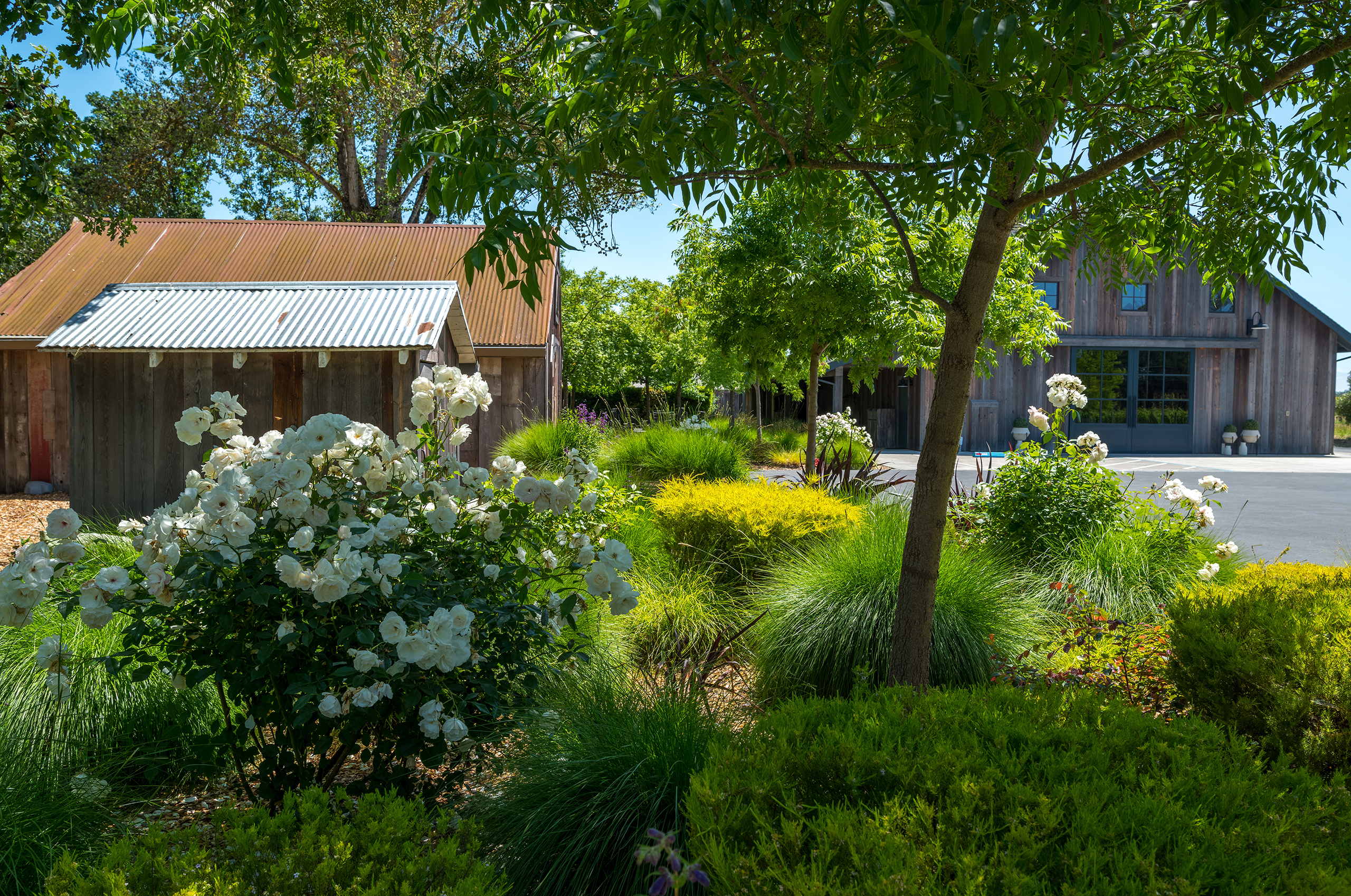
Minimalist, low-maintenance designs will be gaining popularity, particularly in urban surroundings. Hardscaping elements such as pavers, seating regions, and water capabilities are combined using native plant species to minimize water usage and upkeep charges. Additionally, biophilic design—integrating natural elements into the built environment—is becoming a regular expectation for office buildings, retail centers, plus mixed-use developments. These strategies not simply enhance aesthetics although also support emotional well-being for employees and even visitors.
How s technology shaping commercial landscaping design?
Smart irrigation methods, automated lighting, and remote monitoring solutions are transforming exactly how landscapes are managed. Statistics indicate that will properties using sophisticated irrigation technology can reduce water consumption by up to 30%, significantly decreasing operational costs. Drones and AI-powered stats will also be being used to monitor herb health, detect unwanted pests early, and improve maintenance schedules, ensuring landscapes remain perfect year-round.
Are sustainability initiatives influencing commercial landscaping decisions?
Totally. More than 75% of businesses now element sustainability into their landscaping choices. Practices such as rainfall gardens, green attics, and drought-resistant planting are reducing environmental impact while boosting the visual lure of commercial properties. In addition, landscaping strategies that promote biodiversity—like pollinator-friendly gardens—are gaining traction, adding to broader environmental benefits.
What function do seasonal tendencies play in business landscaping?
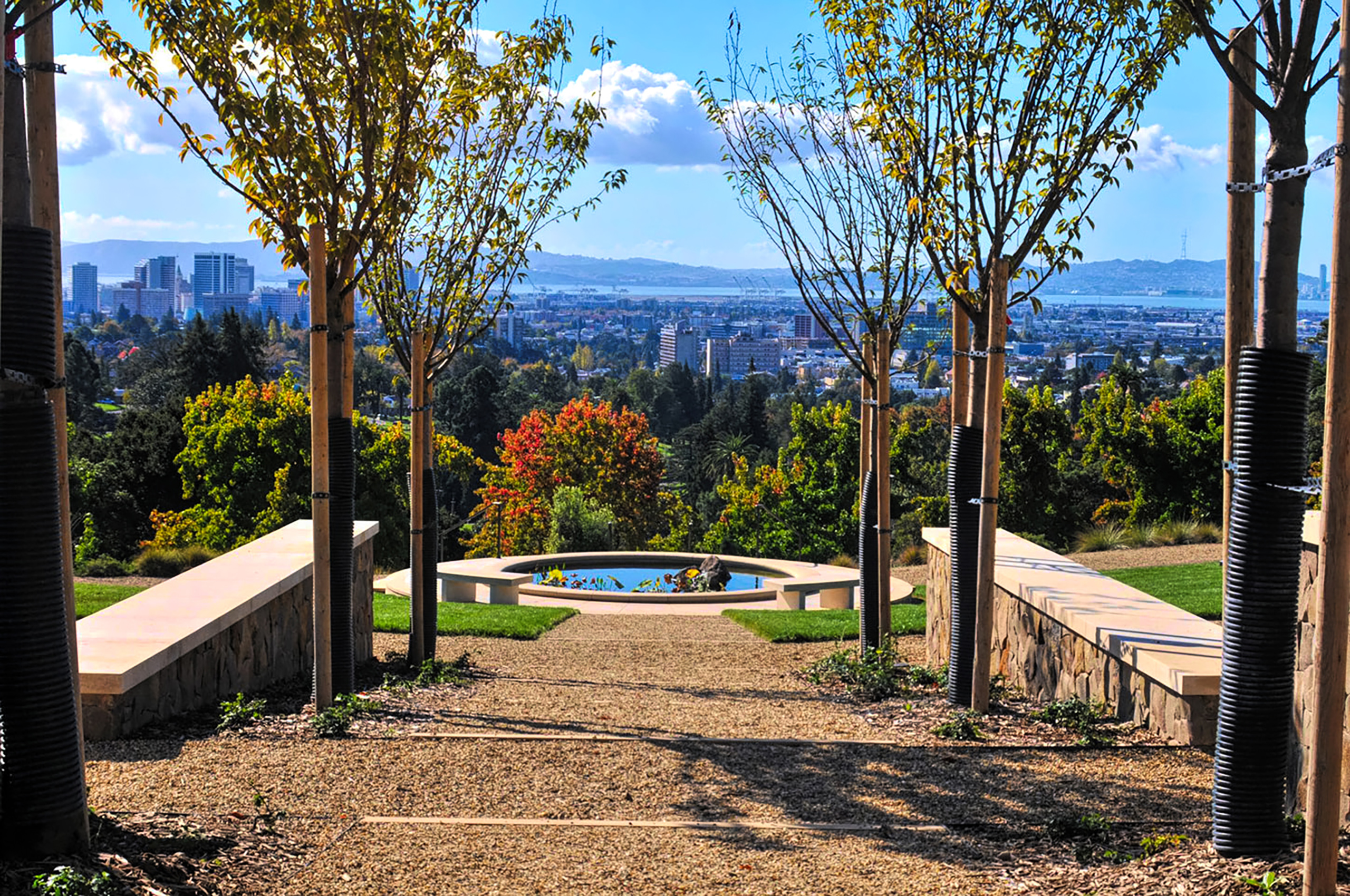
Seasonal plantings and adaptive design and style strategies are major for maintaining the attractive landscape throughout the year. Home managers increasingly employ color rotations, its heyday schedules, and periodic decor to make creatively dynamic spaces. Info shows that businesses that refresh outdoor areas seasonally is able to see a 12% increased visitor engagement and even overall satisfaction.
Exactly how are commercial landscaping services evolving?
The industry is shifting coming from traditional maintenance in order to full-service solutions, which often include design, unit installation, sustainability consulting, in addition to ongoing management. This holistic approach guarantees that landscapes are functional but also strategically aligned with brand identity plus property goals. Customer feedback highlights that will properties with thorough commercial landscaping services experience fewer upkeep issues and increased long-term value.
Summary:
Commercial landscaping throughout 2026 is more than just greenery—it is a tactical investment in house value, sustainability, in addition to experience. With developments emphasizing minimalism, technology, seasonal adaptability, in addition to eco-conscious practices, companies can create landscapes that are visually interesting, environmentally responsible, and operationally efficient. Trying to keep up with these trends ensures of which commercial properties remain relevant, engaging, plus successful in the many years ahead.